How Long Should a Shooting Vest Last?
Most shooting kit carries an unspoken expectation of durability. Guns last decades. Cartridge bags outlive their owners. A shooting vest sits somewhere between these extremes, but the question of how long one should actually last is rarely asked before people buy. It should be.
The honest answer is that it depends on what you buy and how you use it. A well-made vest, treated sensibly, should give you several seasons of reliable performance. A cheap one might not survive the first. This guide covers what a realistic lifespan looks like, what shortens it, and how to get the most from whatever you own.
What Is a Realistic Shooting Vest Lifespan?
A well-made shooting vest used regularly and cared for properly should last between three and seven years. High shooting volume pushes that closer to three or four. Light use with good care can see the same vest performing well beyond seven.
For shooters who compete regularly or visit the clay ground two or three times a week, the three to four year range is realistic before performance begins to drop noticeably. For those who shoot occasionally through the season, the same vest might still be in good working order at year six or seven.
The variance is wide. Material quality, construction standards, how the vest is stored between sessions, and how hard the pockets are worked are all factors that pull the actual lifespan in different directions.
What Affects How Long a Vest Lasts
Shooting Volume
Volume of use is the biggest single factor. A vest used once a month ages very differently from one that sees the clay ground multiple times a week. Pocket seams are particularly susceptible to load stress, and a vest that is regularly filled to capacity will show wear in those areas well before the fabric itself gives out.
High-volume shooters should treat their vest as working kit and inspect it regularly, just as they would any other piece of equipment that takes daily use. Catching small seam failures early is considerably cheaper than waiting until a pocket gives way mid-round.
Fabric and Material Quality
Fabric quality is the foundation of vest longevity. Thin, non-technical mesh fabrics deteriorate faster than structured materials built for sporting use. They lose their shape under repeated load, fade with prolonged UV exposure, and develop weak points at stress areas more quickly than the materials in well-made vests.
Technical mesh fabrics designed specifically for performance use maintain their structure and breathability significantly longer. They are cut and constructed to handle the particular demands of a sport that involves constant movement, varying conditions, and regular loading and unloading. The difference becomes apparent within two seasons.
Storage and Aftercare
A vest stuffed into a bag with damp cartridge cases and left for days between sessions will not last as long as one that is aired out properly and stored flat or on a hanger. Moisture is the enemy of both stitching and metal hardware. It accelerates the degradation of threads at stress points and promotes corrosion on clips and fasteners that would otherwise last years.
The habit of airing a vest after every session, removing any remaining cartridges, and storing it somewhere dry takes very little time and adds meaningfully to service life. It is one of those small things that separates shooters who get seven years from a vest from those who get three.
Construction Standards
Stitching density, hardware quality, and reinforcement at stress points all directly affect how long a vest performs. Budget vests save on exactly these details. Pocket seams that are lightly stitched, clips made from lightweight alloy, and side panels without proper elastication are all decisions that show up in performance within the first two seasons of regular use.
Well-constructed vests use reinforced pocket bases, heavy duty hardware, and materials that are sewn at stress points with the load in mind. The difference is not always visible at first glance, but it becomes very clear in use.
The clearest signal is when the vest starts affecting your shooting rather than supporting it. Pockets that deform or fail to close properly, clips that no longer hold reliably, or a fit that has broken down enough to interfere with your gun mount are all functional indicators that the vest has reached the end of its useful life. Cosmetic wear, fading, and minor scuffs are irrelevant. Functional failure is the marker that matters.
Signs Your Shooting Vest Needs Replacing
The signs tend to accumulate gradually rather than arriving all at once. Know what to look for and you can plan ahead rather than being caught out.
Signs it is time for a new vest
- Pockets that have deformed under load and no longer sit flush or close correctly
- Seam failures at the base or sides of the pockets, or along the armholes
- Clips, zips, or fasteners that no longer function reliably under field conditions
- Fabric that has thinned noticeably in high-movement areas such as the back or underarms
- Side panels that have lost their elasticity and no longer move freely with the body
- A fit that has changed because the underlying structure has broken down
Once the pocket structure or the fit have genuinely deteriorated, repair is rarely the right answer. Professional stitching work on a vest that is close to the end of its natural life rarely makes financial sense against the cost of a replacement.
How to Make Your Shooting Vest Last Longer
A few consistent habits extend vest life considerably without requiring much effort:
- Do not overload the pockets. Most vests are designed to carry around 100 cartridges across both pockets. Consistently exceeding that puts unnecessary stress on the seam construction at the points most likely to fail.
- Air the vest after every session. Empty the pockets, allow the fabric to dry completely, and store it somewhere with airflow before the next use.
- Wash carefully and infrequently. Wash only when genuinely needed, on a cool, gentle cycle. Avoid high temperatures and fabric softener, both of which damage technical mesh materials and stitching over time.
- Store away from direct sunlight. UV exposure fades and weakens fabric more significantly than most people expect, particularly over longer storage periods between seasons.
- Check the hardware regularly. Inspect clips and fasteners at the start of each season. Catching a failing clip early is considerably less disruptive than discovering it on the clay ground.
Yes, with care. Most shooting vests can be machine washed on a cool, gentle cycle. Avoid high-temperature settings and fabric softener, which can damage technical mesh materials and weaken seam integrity over time. When in doubt, hand washing and air drying is the safer option. Always check the care label on your specific vest before washing, as recommendations vary by fabric type.
Does Spending More Mean It Lasts Longer?
Generally yes, though the relationship is not perfectly linear. A vest at the lower end of the price range might survive two or three seasons of regular use. A well-made vest built from quality materials with proper construction standards can last considerably longer, and it will perform more consistently throughout its service life.
The key is knowing what you are paying for. Brand name alone does not equal quality. The materials, construction detail, and specific design decisions behind a vest are what determine durability. A well-designed vest from a brand focused on performance is a better long-term investment than a premium-branded vest that cuts corners on the features that matter.
Technical mesh fabrics designed for sporting use outperform standard woven fabrics in terms of longevity. They maintain their structure under load, hold their breathability over multiple seasons, and resist the UV degradation that affects cheaper materials more quickly. Heavy duty hardware, reinforced pocket seams, and quality elastication in side panels are the construction details that separate a vest that performs for five seasons from one that struggles to reach three.
Buying a Vest That Is Built to Last
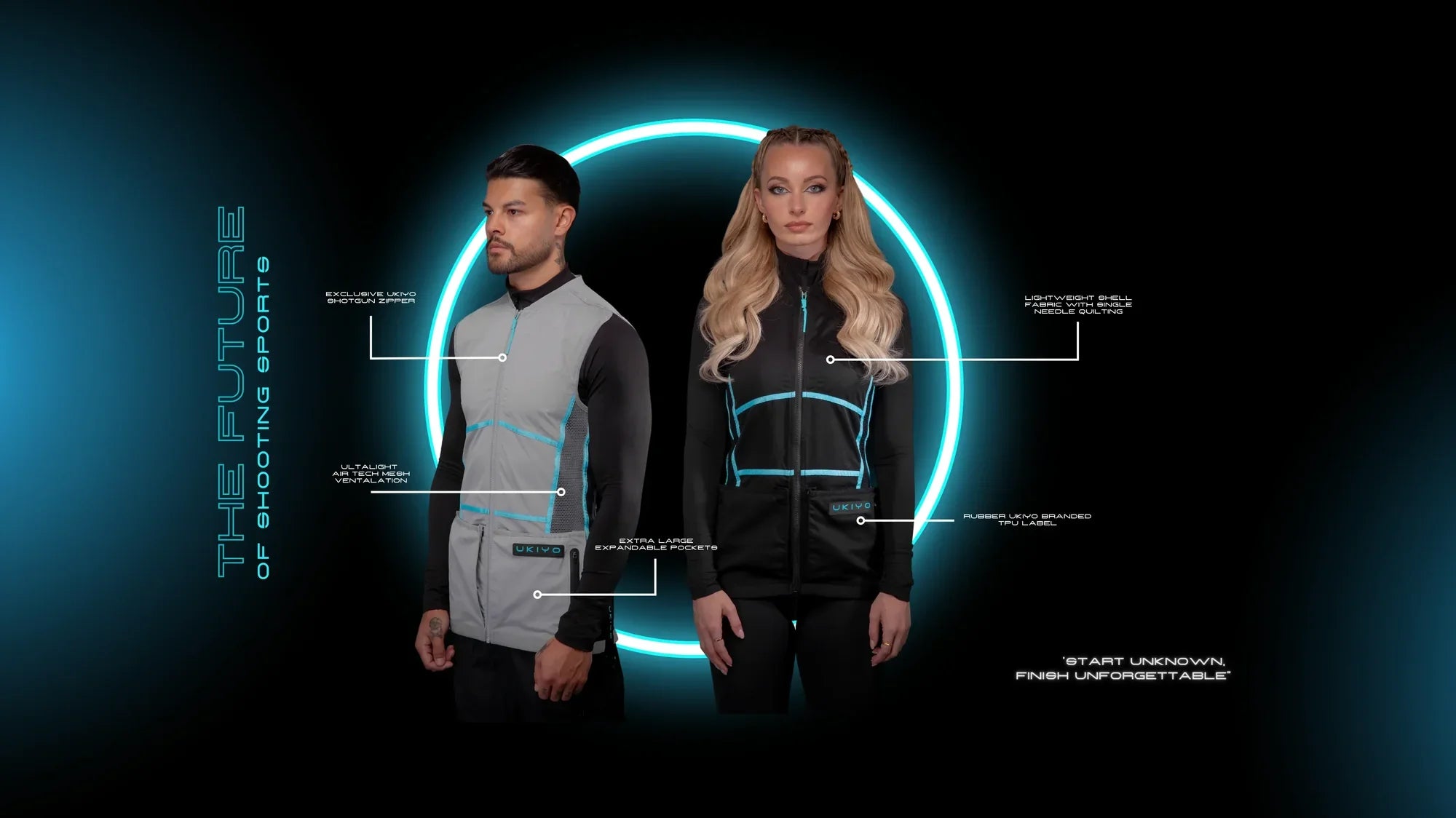
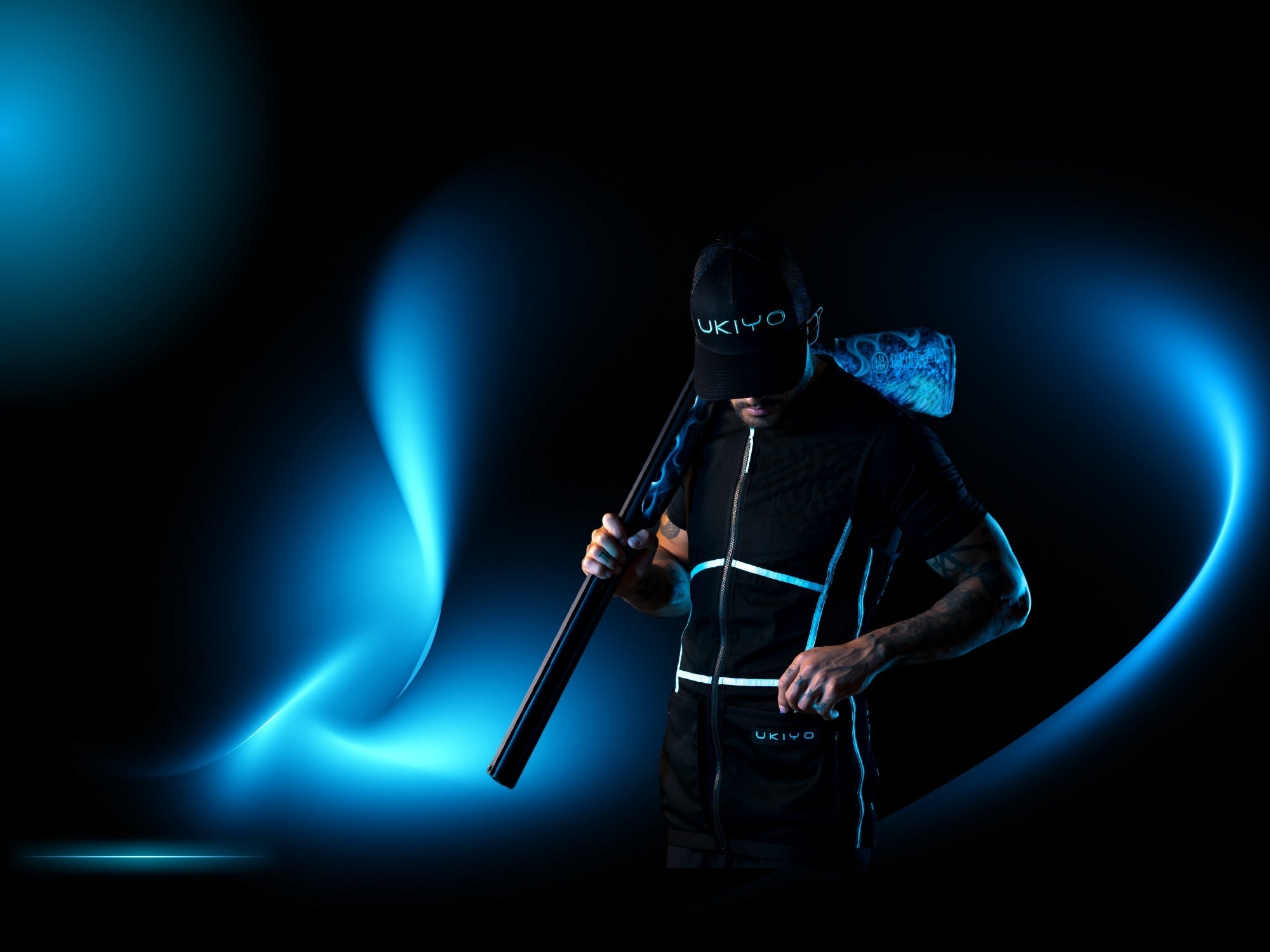
The Ukiyo Inception vest is built with service life in mind. The lightweight 3D mesh fabric maintains its structure and breathability across multiple seasons of regular use. Double-layered pockets are reinforced at the base and sides to handle consistent cartridge loads without deforming. Heavy duty back clips and quality construction throughout mean the hardware outlasts the first season by a significant margin.
Available in the men's range and women's range, with sizing guidance in the Ukiyo size guide if you are unsure where to start.
If you are replacing a vest that did not perform as expected, it is worth reading our guide on how to choose a shooting vest before buying again. Understanding what you actually need from a vest makes it much easier to choose something that will genuinely last. And if you are deciding between a vest and a jacket for your shooting, our breakdown of shooting vest versus shooting jacket covers the practical differences.